Our On-Site Upholstery Treatment Approach

FreshNest uses an on-site treatment method to clean textile furniture such as sofas, armchairs, and other upholstered items. A technician visits your home with professional cleaning equipment and applies techniques tailored to the fabric type and condition. The process includes inspecting the textile, selecting suitable agents, and carrying out treatment on the premises without removing the furniture. Results vary depending on the fabric, its age, and the nature of the soiling. This service is an option for households and rental property owners seeking a structured approach to maintaining soft furnishings. It is not a guarantee of specific outcomes.
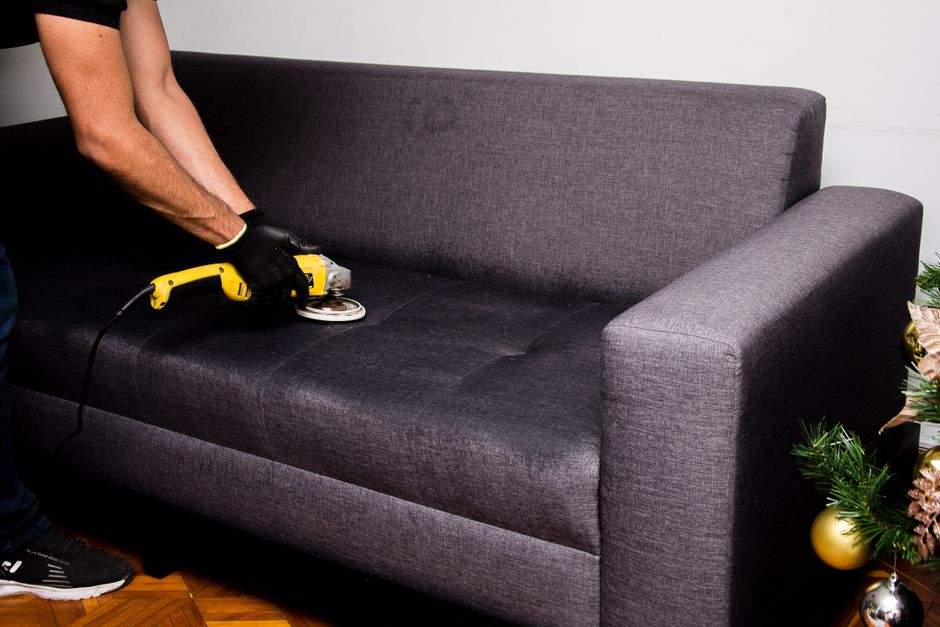
A professional performs sofa cleaning with a grinder in an indoor setting, showcasing efficient service.

Understanding Furniture Contamination

Soft furnishings naturally accumulate dust, stains, and odours over time, influenced by daily use, environment, and fabric type. FreshNest approaches these issues through structured assessment and professional cleaning methods. Each piece is evaluated to select suitable techniques for stain removal, allergen reduction, and odour treatment. Outcomes vary depending on fabric condition, stain age, and other contextual factors.

Service Process at a Glance

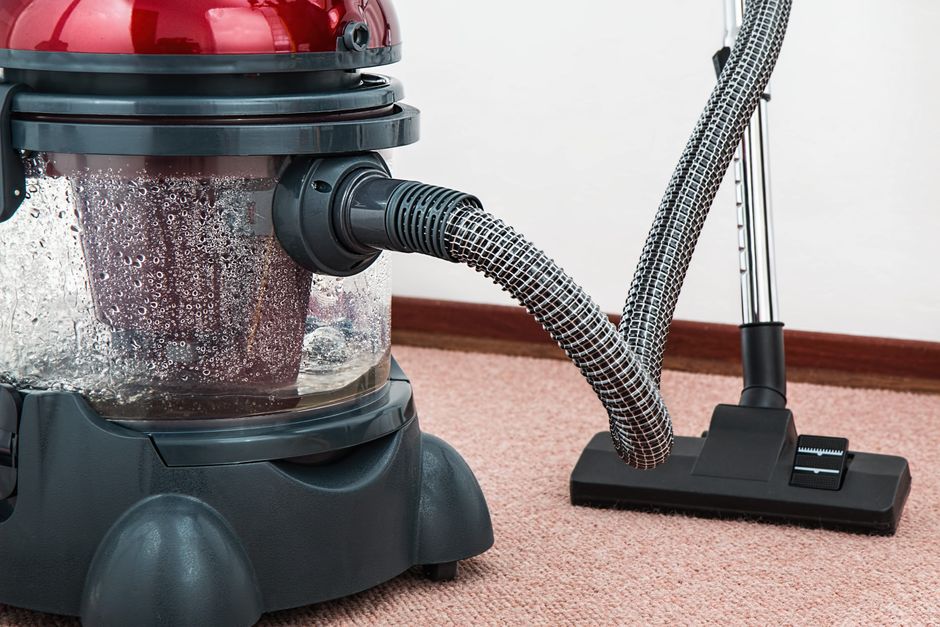
Close-up of a modern vacuum cleaner with water filtration on carpet floor indoors.
  • On-Site Cleaning

    FreshNest provides cleaning at the customer’s location, following a structured on-site process.

  • Professional Equipment

    The service uses professional-grade equipment and methods as part of its standard procedure.

  • Specialist-Led Process

    A trained specialist performs the cleaning on site, adhering to FreshNest’s established steps.

  • Textile Focus

    The process is designed for soft furnishings such as sofas and armchairs in domestic settings.

What Customers Say

Factors Influencing Textile Care and Cleaning Outcomes

Textile care and cleaning encompass a range of methods and considerations that vary based on material composition, construction, and maintenance history. Upholstery fabrics differ in fibre type, weave density, and dye stability, each responding differently to cleaning processes. Factors such as the presence of surface soiling versus deeper penetration, prior treatments, and environmental conditions also contribute to the variability of results. Professional on-site cleaning typically involves assessing these variables to select appropriate methods. The outcome of any cleaning process depends on multiple external factors, including fabric condition and the nature of the substance involved. Understanding these elements provides a framework for evaluating suitable approaches. FreshNest follows established methodologies to address textile care, with the understanding that individual circumstances influence the overall process and its observable effects.

A stylish and cozy living room featuring a sofa, wooden flooring, and soft lighting.

How FreshNest Approaches Upholstery Cleaning

FreshNest provides on-site upholstery cleaning for households and renters across the United Kingdom. A trained specialist performs the service at the customer's location using professional equipment, following a defined multi-stage method that includes fabric assessment, targeted stain treatment, and controlled extraction. The process begins with identifying the textile type and soil level so that Cleaning agents and pressure settings can be selected accordingly. FreshNest explains each stage before work starts, and the specialist documents pre-existing conditions. Outcomes depend on fabric composition, stain age, and previous treatments, so results are not uniform. The service is offered as a structured framework for maintaining soft furnishings.

How the On-Site Cleaning Process Works

  • 01

    Initial Assessment

    The specialist evaluates fabric type, soiling level, and stains to outline a suitable approach.

  • 02

    Pre-Treatment

    Targeted agents are applied to affected areas to help loosen dirt and stains before cleaning.

  • 03

    Main Treatment

    Professional equipment is used to clean upholstery, with methods adjusted to fabric and condition.

  • 04

    Post-Cleaning Review

    The specialist checks results and advises on drying times and basic aftercare considerations.

Furniture and Textiles in Scope

The gallery shows examples of upholstered items that may be treated, including sofas, armchairs, and related textiles. Images illustrate typical furniture types and fabric surfaces, offering a factual overview of the service scope.
A cozy minimalist living room with a leather sofa and stylish decor.
A minimalist living room with soft white sofas and large curtains, creating a cozy atmosphere.
Stylish living room featuring a blue sofa, armchairs, and modern decor within an apartment.
Soft comfortable couch with various cushions and coffee table placed in cozy living room with dining zone

Professional Equipment and Cleaning Methods

Upholstery cleaning relies on professional-grade equipment and established methods suited to different fabric types and contamination levels. FreshNest specialists assess each item on site and select appropriate techniques, such as extraction or targeted treatment of stains and odours. It is worth noting that cleaning outcomes depend on multiple external factors, including fabric structure, age, previous treatments and the nature of the soiling. These variables are discussed during assessment so that expectations stay realistic.

Who the Service Suits and How the Process Works

FreshNest arrangements are structured to accommodate different domestic settings. For households, on-site cleaning can be planned around existing routines, with methods adapted to the fabric type, the nature of any marks, and level of use. For renters, the process considers tenancy timelines and typical handover expectations, and it can be documented in advance where required. In both cases, a specialist works with professional equipment at the property, following defined stages: an initial assessment, preparation of the surrounding area, treatment, and a final check. Suitability depends on the specific upholstery and condition, so the approach is confirmed before work begins.

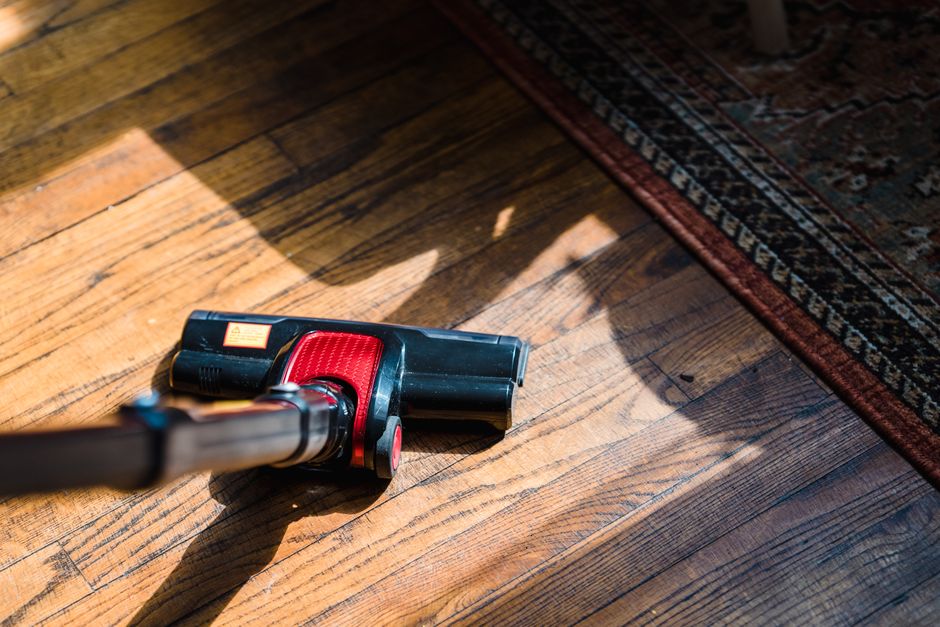
Close-up of a vacuum cleaner on wooden flooring near a patterned rug, showcasing domestic cleaning.
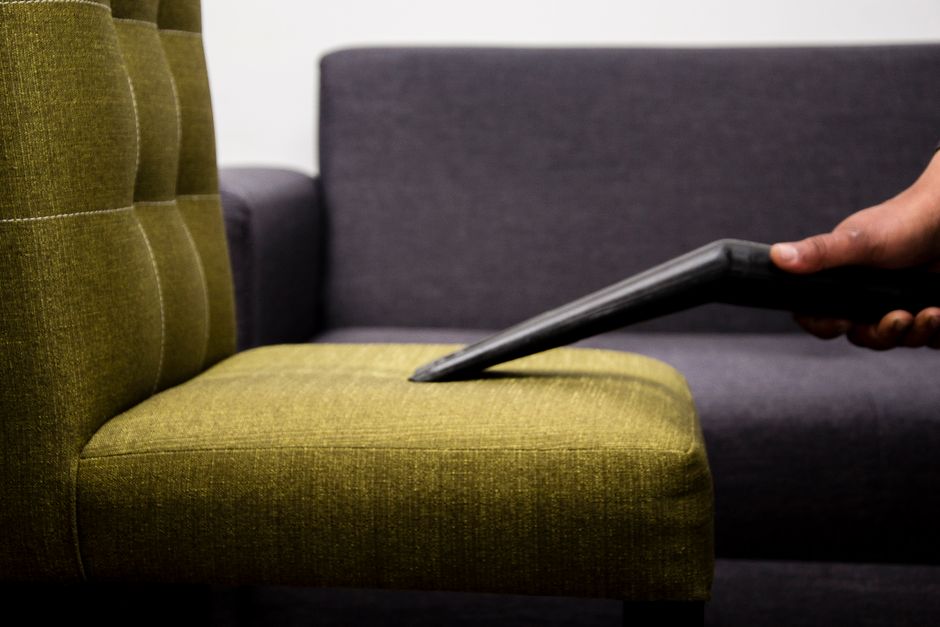
Close-up of a person vacuuming a modern sofa chair indoors, highlighting cleaning service.

Methodological Overview

On-Site Service

Treatment is performed at the client's location, using professional equipment brought by the specialist.

Textile Treatment

Methods are selected based on fabric type, with an emphasis on appropriate and careful application.

Documented Process

Each stage follows a defined sequence, from initial assessment to final verification.

Transparent Approach

Information about methods and expectations is provided before work begins so clients can make informed decisions.

Frequently Asked Questions About Upholstery Cleaning

  • What does the upholstery cleaning process involve?
    The process typically includes an assessment of the fabric, pre-treatment of stains, application of cleaning agents, agitation, and extraction using professional equipment.
  • Are the cleaning solutions safe for children and pets?
    Cleaning solutions vary; some are formulated to be low-toxicity. It is advisable to discuss specific safety concerns and ventilation requirements with the technician beforehand.
  • How long does it take for upholstery to dry after cleaning?
    Drying times depend on fabric type, humidity, and ventilation. Generally, it may take several hours, and using fans or opening windows can help accelerate the process.
  • How often should upholstery be professionally cleaned?
    Frequency depends on usage, fabric type, and environmental factors. Some households schedule annual cleaning, while others may require more or less frequent attention.
  • Can all types of stains be removed from upholstery?
    Stain removal effectiveness varies based on the stain's nature, age, and fabric compatibility. Some stains may be challenging, and results are not guaranteed.

Our Approach to Upholstery Cleaning

FreshNest follows a transparent, method-based approach to upholstery cleaning. We describe our processes openly, including pre-inspection, fabric testing, and the use of professional equipment, so you can understand each stage. Our service is presented as one option among various cleaning methods available in the UK, and its suitability depends on factors such as fabric type, stain origin, and home environment. We provide contextual information to support informed decisions. FreshNest does not claim expertise or guarantee outcomes; results vary with individual circumstances. Our role is to offer a clear, documented service that complements other approaches you may consider.

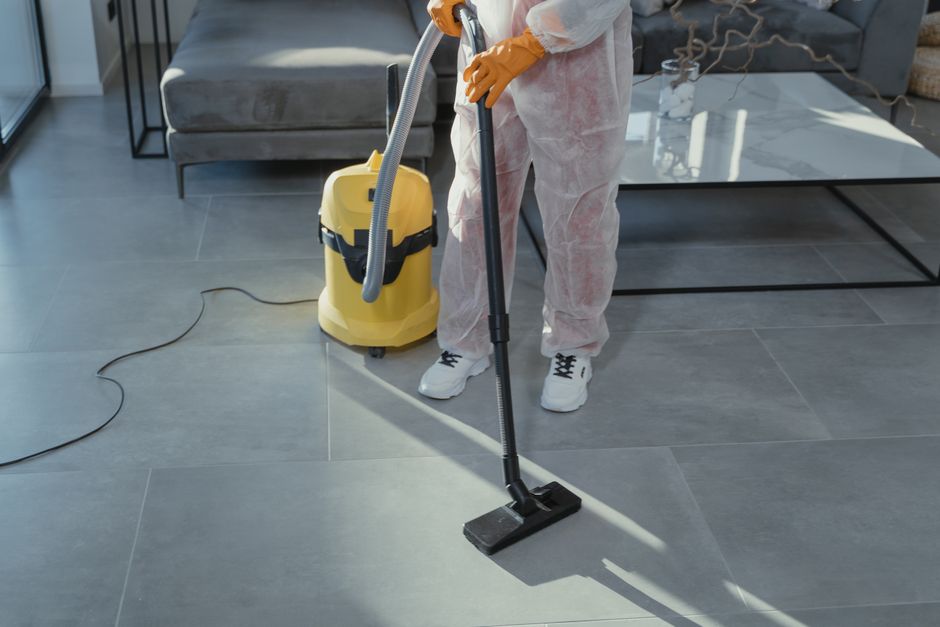
A professional cleaner in protective gear vacuuming the floor in a modern living room.

Fabric Type and Condition as Planning Factors

When planning upholstery cleaning, FreshNest considers fabric type and condition as key contextual factors. Different textiles respond differently to cleaning methods, and existing wear, stains, or fading may influence the approach. This assessment helps determine suitable techniques and products, but outcomes depend on various external factors. The process is adapted to the specific material and its current state, without guarantees of specific results.

Additional Process Stages and Aftercare

  • 01

    Drying Time

    Drying duration varies by fabric, humidity, and ventilation, typically ranging from several hours to a full day.

  • 02

    Post-Cleaning Inspection

    A professional reviews treated areas to assess appearance and identify any remaining spots or concerns.

  • 03

    Aftercare Guidance

    General recommendations include maintaining ventilation, avoiding direct sunlight, and regular light vacuuming.

  • 04

    Outcome Variability

    Results depend on fabric type, stain history, and environmental conditions, so individual outcomes may differ.

Contact Information & Enquiry Form

Find our contact details, send a message using the form below, and refer to the map for location information. We are available to answer your questions about upholstery cleaning.

Get in Touch

We use cookies

We use cookies to ensure the proper functioning of the website, analyze traffic, and improve your experience. You can accept all cookies or reject them — the site will continue to operate. For more details, read our Cookie Policy.